
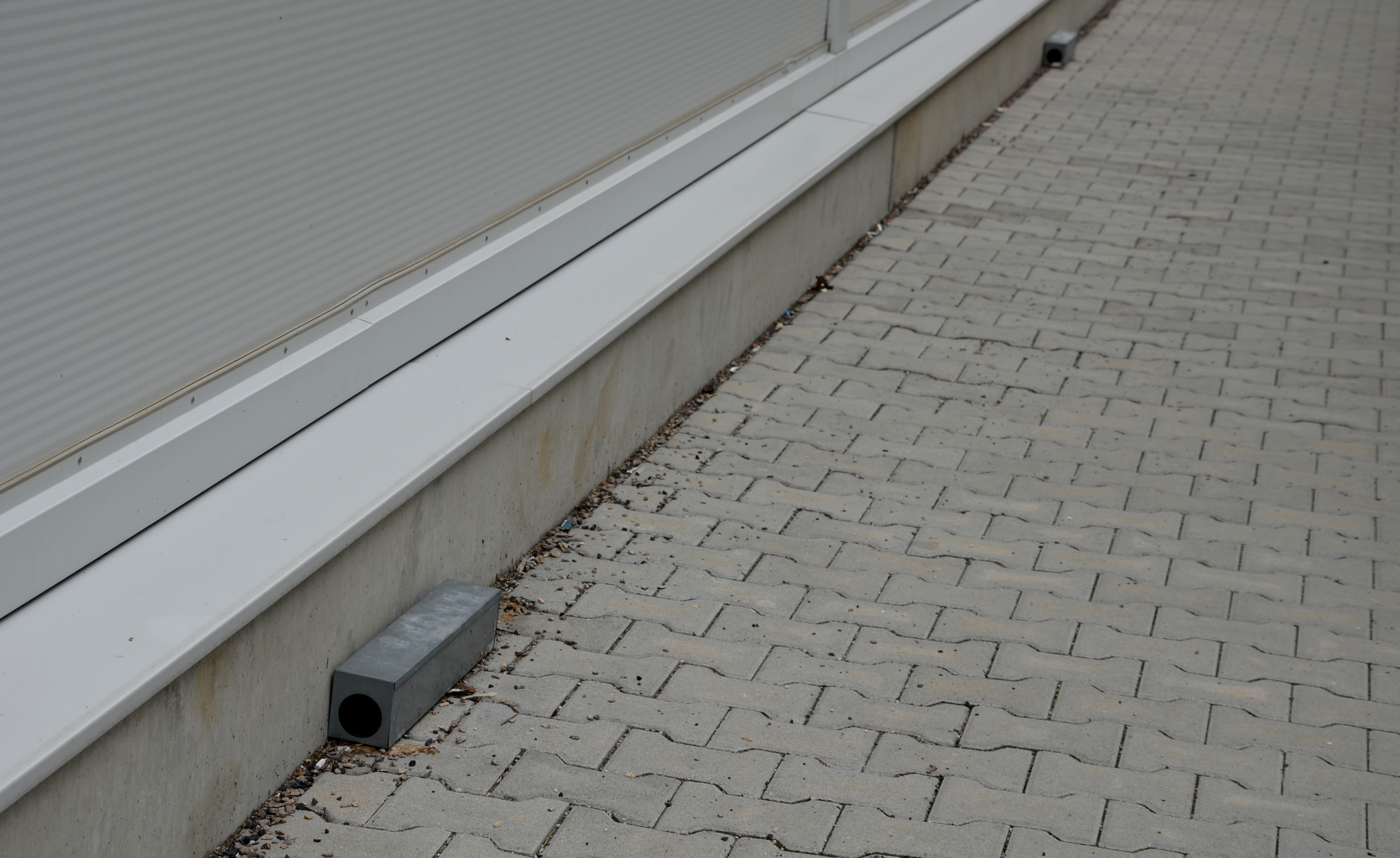
As temperatures cool across the Niagara region, many unwanted houseguests begin looking for warm places to spend the season. Mice and rats often find their way indoors, and homeowners sometimes respond by setting out rodenticides to control them.
Unfortunately, these products don’t just pose a danger to rodents. Curious dogs and inquisitive cats can accidentally ingest rodenticides, turning an ordinary fall afternoon into a medical emergency.
At Glenridge Animal Hospital and Referral Centre, we encourage pet parents to understand the risks of rodenticide toxicity in pets and to know when to contact an emergency vet in Niagara.
Why Rodenticides Are So Dangerous
Modern rodenticides come in several forms, and many are designed to taste appealing to rodents. These flavor enhancements, however, can also make them attractive to pets who often “investigate” new things by tasting them.
Some poisons interfere with the body’s ability to clot blood, while others affect the nervous system or vital organs. The type of poison determines both the symptoms and the urgency of treatment, but all suspected exposures should be treated as emergencies.
Rodenticide Toxicity in Pets: Know the Warning Signs
The rat poison dog symptoms you notice will depend on the product involved and how much was consumed. In many cases, symptoms may not appear right away. Cats and dogs may show similar symptoms, although cats are typically exposed by catching rodents that have already ingested poison.
Watch for signs such as:
- Weakness or lethargy
- Pale gums
- Difficulty breathing
- Coughing or bleeding from the nose or gums
- Vomiting
- Loss of coordination
- Tremors or seizures
What Should You Do?
If you believe your pet has eaten rodenticide, don’t wait for symptoms to appear.
Instead:
- Contact an emergency vet in Niagara immediately.
- If possible, bring the product packaging or take a photo of the label.
- Avoid home remedies unless specifically instructed by a veterinarian.
- Seek emergency veterinary care even if your pet seems perfectly normal.
Prevention Is the Best Protection
Preventing accidental exposure in the first place is the best way to protect your pet.
Consider these simple precautions:
- Choose pet-safe rodent control methods whenever possible.
- Place rodenticides only where pets cannot access them.
- Store pest-control products securely.
- Supervise pets outdoors, especially in parks, neighborhoods, or areas where bait may have been placed by others.
- Discourage pets from investigating or eating dead rodents.
When Every Minute Matters
Pets don’t read warning labels, which is why many accidental poisonings begin with ordinary household products that seem harmless to us. If you suspect your pet has been exposed, don’t assume they’re “probably fine.” Waiting for symptoms to appear can allow valuable treatment time to slip away.
At Glenridge Animal Hospital and Referral Centre, our team provides prompt care when emergencies happen. Please contact us immediately if you spot rat poison dog symptoms or if you have any questions regarding rodenticide toxicity in pets.